The Architects
It started with two teenagers in Berlin who loved jazz. Alfred Lion and Francis Wolff grew up together exploring the city's clubs in the 1920s, collecting every American record they could find. They fled Nazi Germany separately, found each other again in New York, and in 1939 started a record label. Over the next eight decades, thousands of musicians, engineers, producers, designers, and writers would become part of what they built. This page is where we introduce them to you.
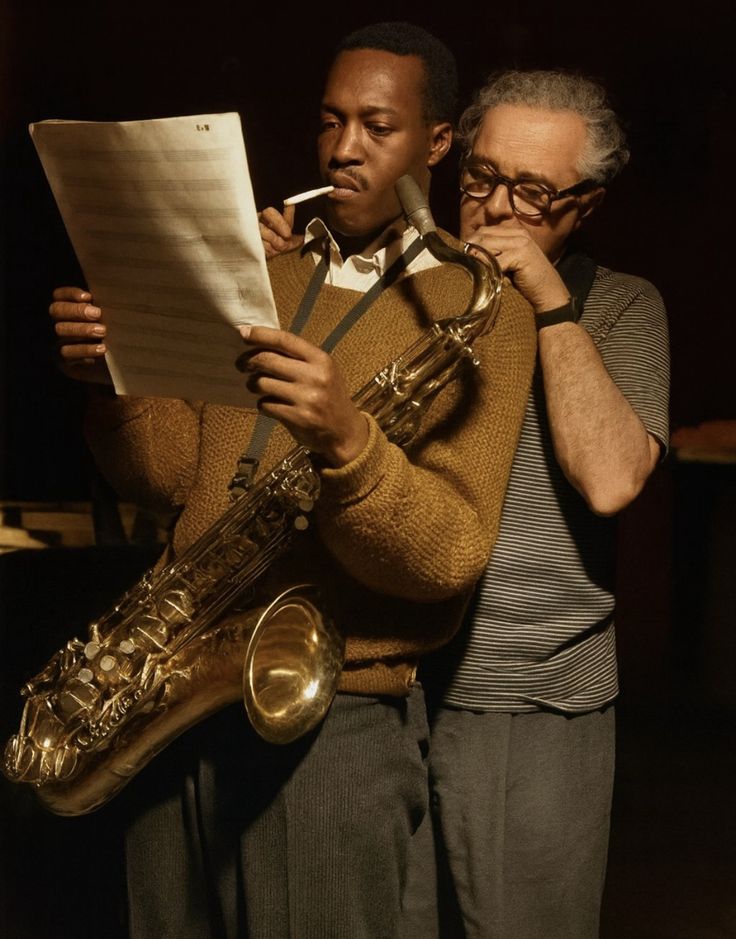
They were doing what we all were trying to do. Allow the music to emerge without being shackled.
- Herbie Hancock
Alfred Lion heard Meade Lux Lewis and Albert Ammons play at Carnegie Hall in December 1938, tracked them down, and had them in a studio six weeks later. That was Blue Note. Lion was a German-Jewish immigrant who had been obsessed with jazz since his teenage years in Berlin, and when he arrived in New York he had almost nothing except a complete certainty about what great music sounded like. He gave musicians something almost no label offered - time. Rehearsal time before the session. Extra takes until it was right. Creative freedom to play what they heard, not what the market wanted. He funded it himself, often at a loss. What he got in return was Monk, Bud Powell, Miles Davis, Coltrane, Art Blakey, Horace Silver, Lee Morgan, and a hundred others giving him their absolute best work. When Lion sold the label in 1966, he was worn out. The music he left behind was not.
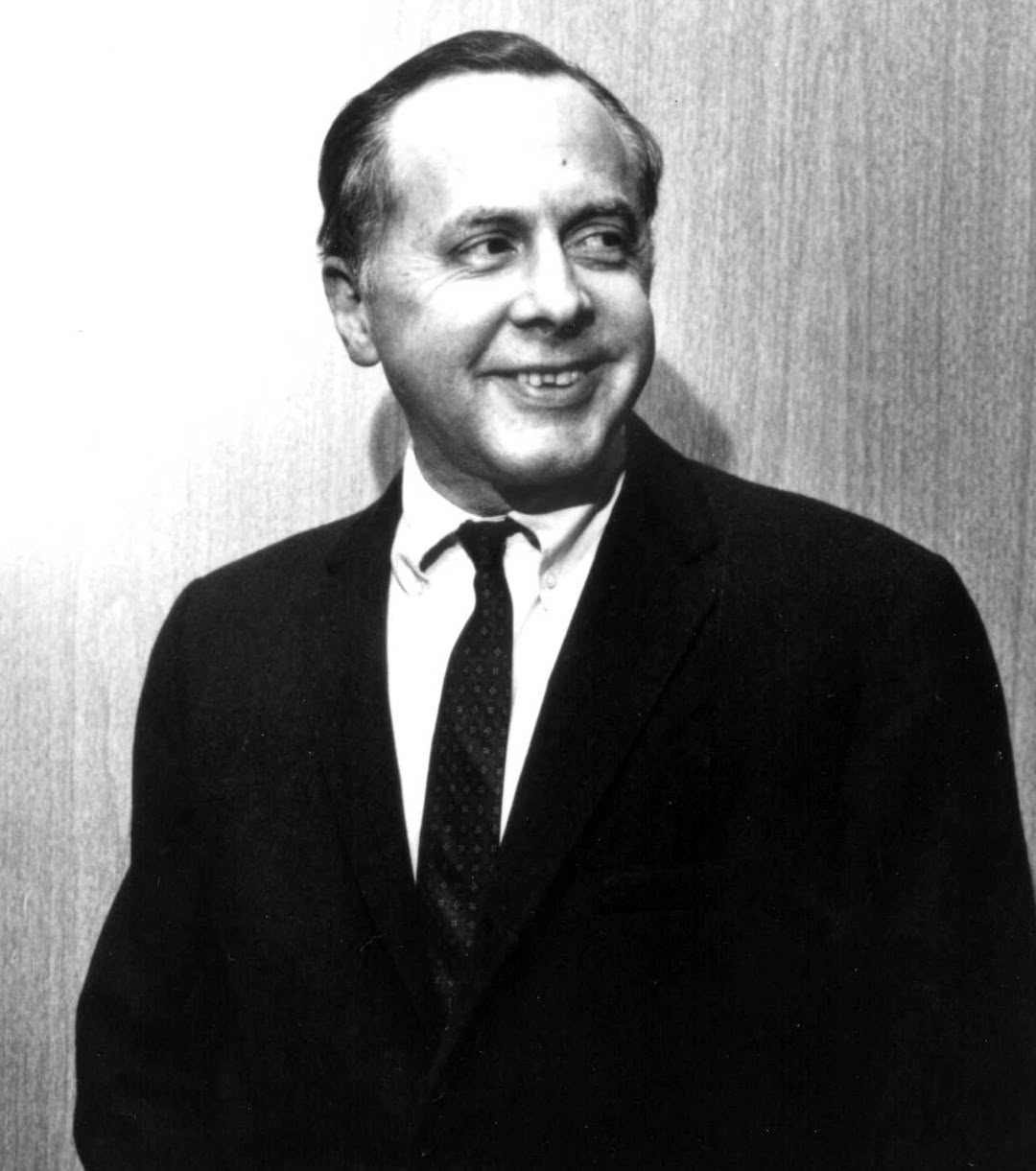
They weren't musicians and they had German accents, but they were one of us.
- Bobby Hutcherson
Francis Wolff and Alfred Lion had grown up together as teenagers in Berlin, sneaking into jazz clubs and collecting every record they could find. When Hitler came to power, Lion left first. Wolff followed in October 1939, boarding the SS Drottningholm - one of the last ships out of Germany before the war sealed the borders. He arrived in New York with nothing, found work as a photographer, and began helping Lion at Blue Note on the side. Eventually he took over the business entirely while Lion ran the creative side. But what Wolff also did, session after session for nearly three decades, was bring his camera. Not as an official photographer. Just as someone who was there, trusted completely, with total access to the music being made. The images on nearly a thousand Blue Note album covers are his. There is no more important body of jazz photography.
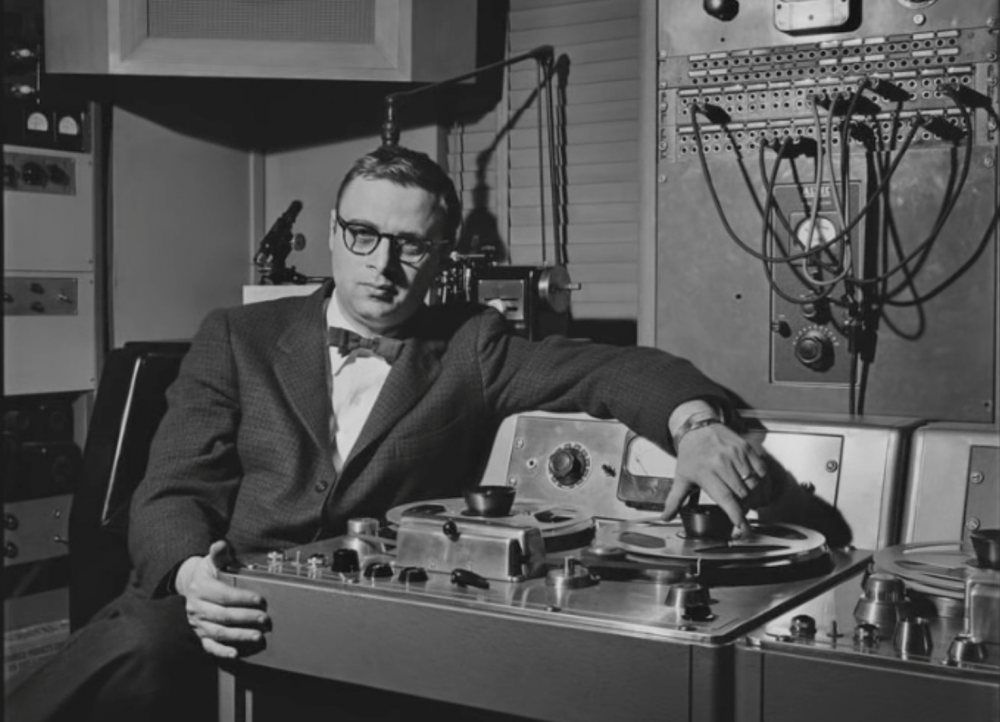
He could make the music sound the way it felt in the room. Nobody else could do that.
- Hank Mobley
Rudy Van Gelder was an optometrist. He examined eyes during the day and recorded jazz in his parents' living room in Hackensack, New Jersey at night. When Alfred Lion found him in the early 1950s, he found something he had been looking for - an engineer who understood that what mattered wasn't technical perfection but emotional truth. Van Gelder was obsessive about his methods and kept them completely secret until the end of his life. What he achieved was a sound that feels immediate, present, and alive in a way that almost no studio recordings from that era do. You can hear the room. You can hear the musicians breathing. When Lion moved Blue Note's sessions to Van Gelder's purpose-built studio in Englewood Cliffs in 1959, the sound got even better. Those sessions - Coltrane, Morgan, Hubbard, Green, Hancock - are some of the greatest recordings ever made. Van Gelder engineered all of them.
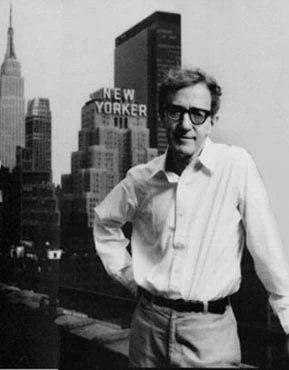
I wasn't really into jazz. I was into design.
- Reid Miles
Reid Miles designed more than five hundred Blue Note covers between 1956 and 1967 and by his own admission didn't particularly care for jazz. He cared about design. What he did with Francis Wolff's photographs - the radical cropping, the collision of bold type with a single face or a pair of hands, the asymmetry that felt almost violent compared to everything else on the shelf - created the most recognizable visual identity in the history of recorded music. You know a Blue Note cover the moment you see it. That instant recognition, across every era and style of music the label released, is Reid Miles. He worked from a tiny office, was paid almost nothing, and turned out work that graphic designers and art directors still study today. The Blue Note catalog sounds the way it does because of Lion and Van Gelder. It looks the way it does because of Miles and Wolff.
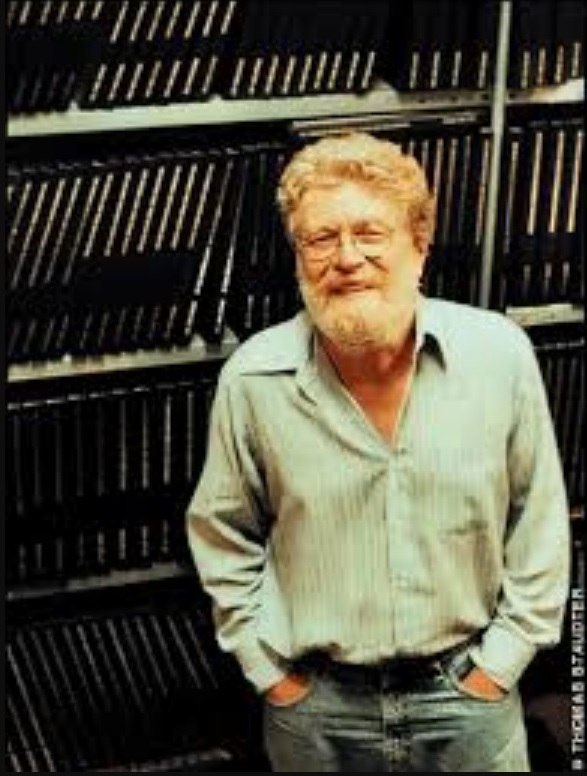
There was so much great music sitting in those vaults. It felt like a responsibility.
- Michael Cuscuna
When Lion sold Blue Note to Liberty Records in 1966, hundreds of recorded sessions went into storage - finished albums that were never released, alternate takes, complete dates that the industry had simply moved on from. Michael Cuscuna is the reason most of them survived. A jazz obsessive who had been writing about and producing music since the late 1960s, Cuscuna began working with Blue Note in the 1970s and spent the next five decades doing the painstaking work of identifying, restoring, and releasing what Lion had left behind. Tina Brooks' True Blue sat in a vault for fifteen years before Cuscuna got to it. He co-founded Mosaic Records in 1983 specifically to do this work properly - limited edition box sets of complete sessions, meticulously annotated, pressed on high quality vinyl. He also co-authored the definitive Blue Note discography with Michel Ruppli, the same book that sits on the shelf here and forms the backbone of this catalog. Cuscuna died in 2024. The debt the music owes him is incalculable.